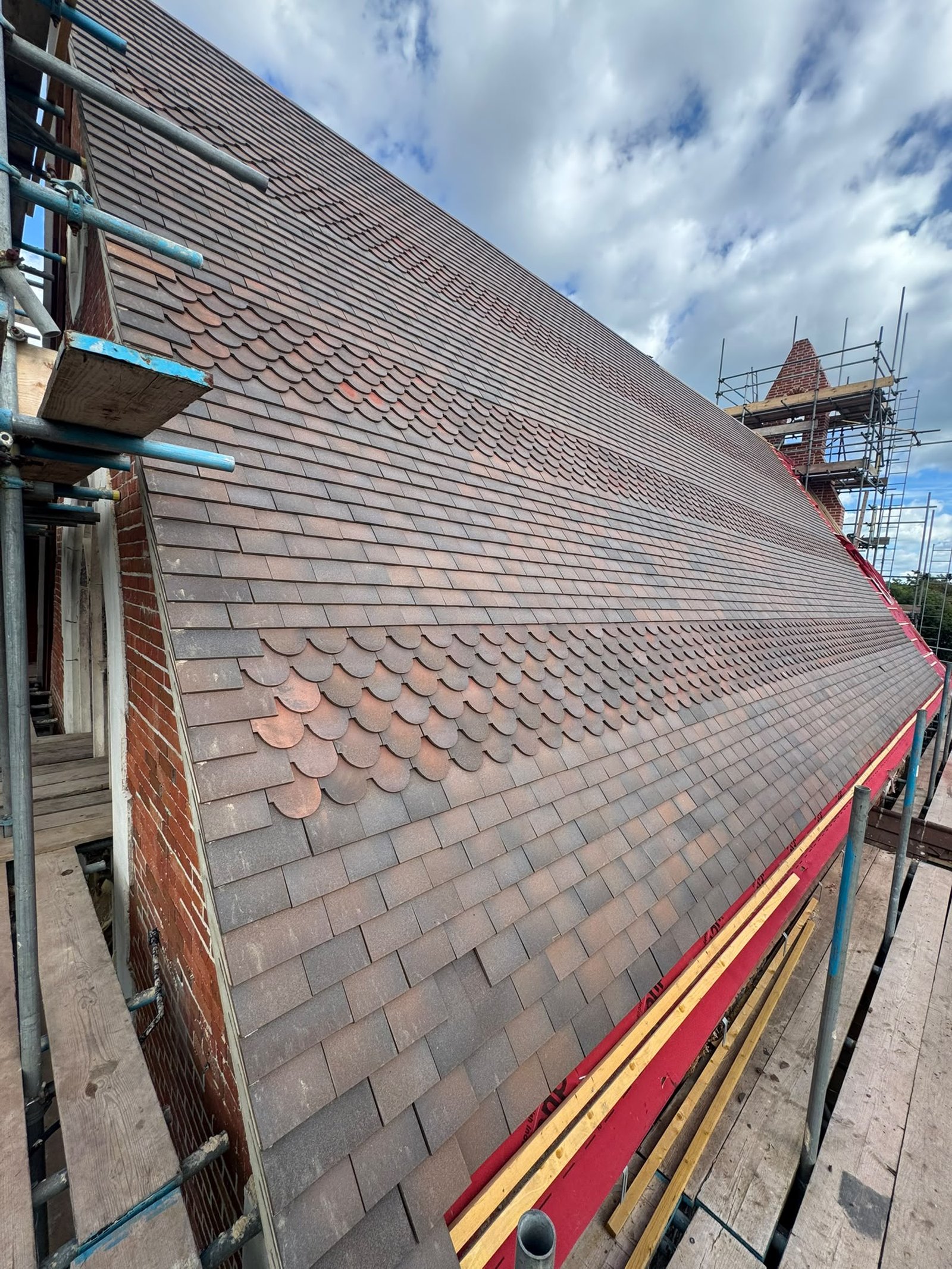

Permanent roof safety systems that let people inspect, maintain and work on the roof safely for the life of the building.
We install roof safety systems on new build and refurbishment projects for residential, commercial and industrial buildings across the South of England, including Dorset, Hampshire, Wiltshire, Sussex and London, from Exeter in the west to Brighton in the east and as far north as Birmingham.
Edge Protection
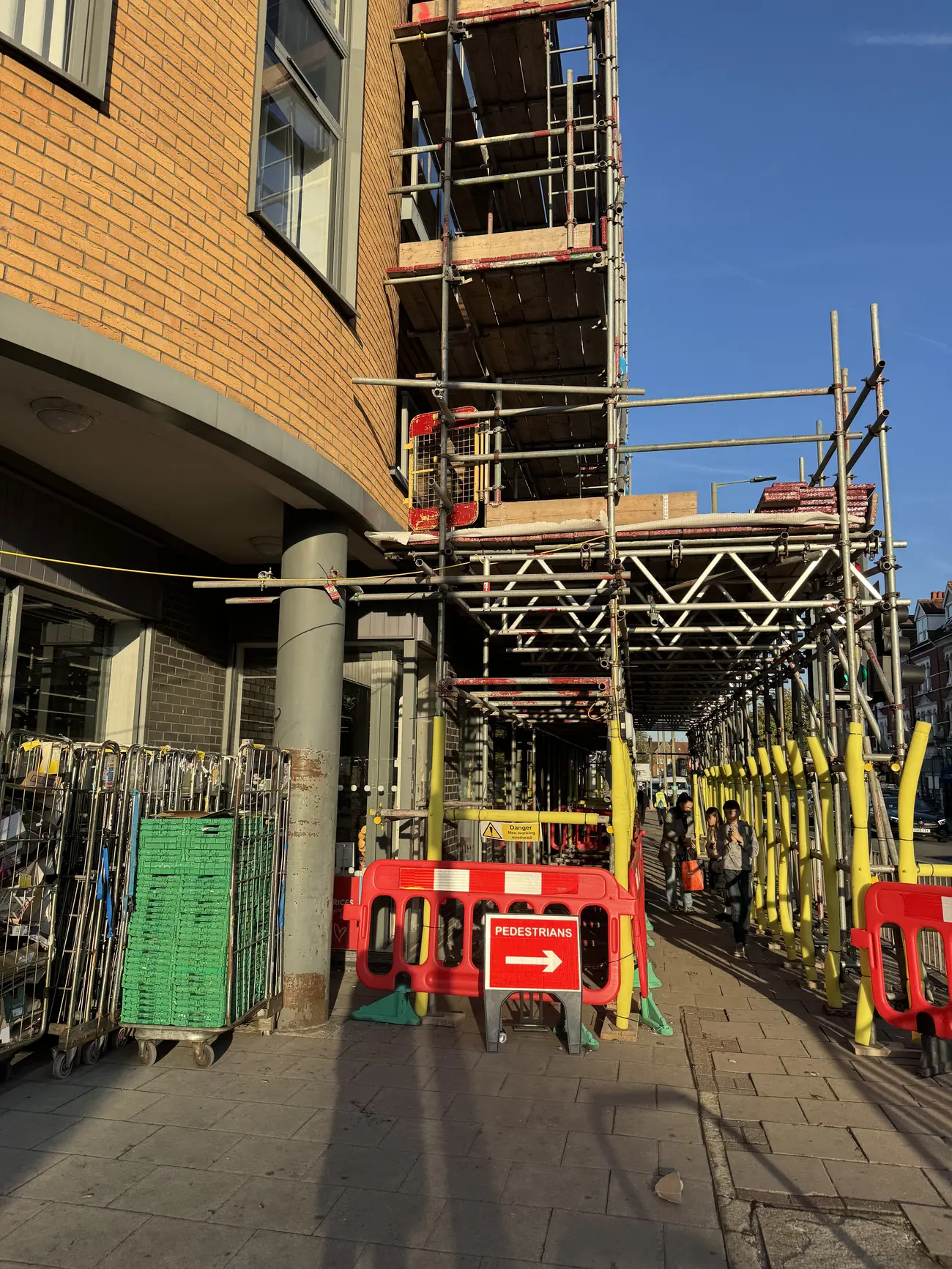
Guardrails that protect the roof edge without the need for harnesses.
Freestanding guardrails sit on the roof without penetrating the waterproofing, while fixed systems are mounted to the parapet or roof structure. Both give collective protection, which the Work at Height Regulations 2005 put ahead of personal equipment, and folding versions keep the roofline clear when not in use.
Fall Arrest & Restraint
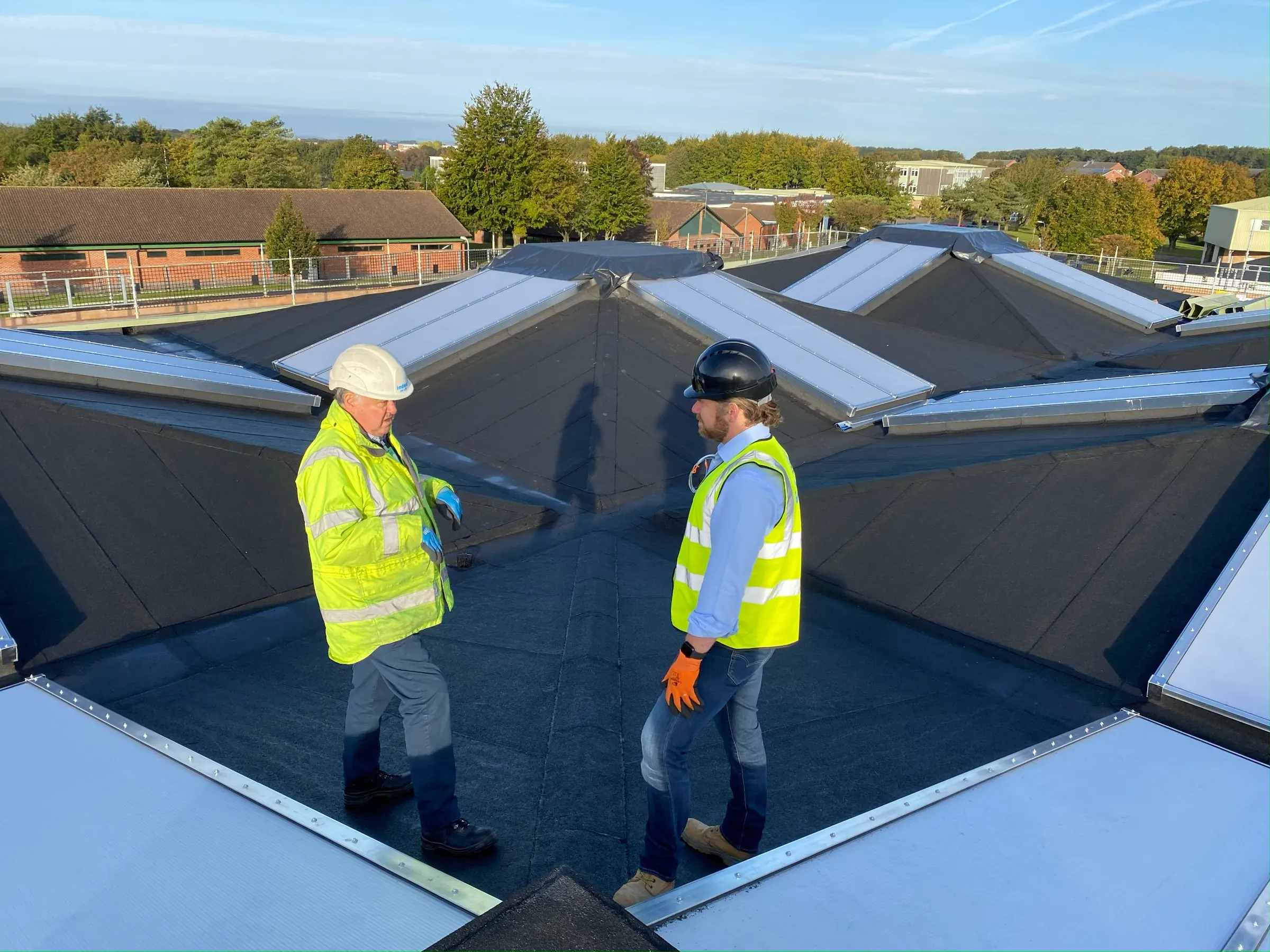
Anchor points and lifeline systems for roofs where guardrails are not practical.
Restraint systems stop the user reaching the edge, while fall arrest systems stop a fall once it happens. Anchors and horizontal lifelines are tested to BS EN 795 and should be inspected at least once a year in line with BS 7883.
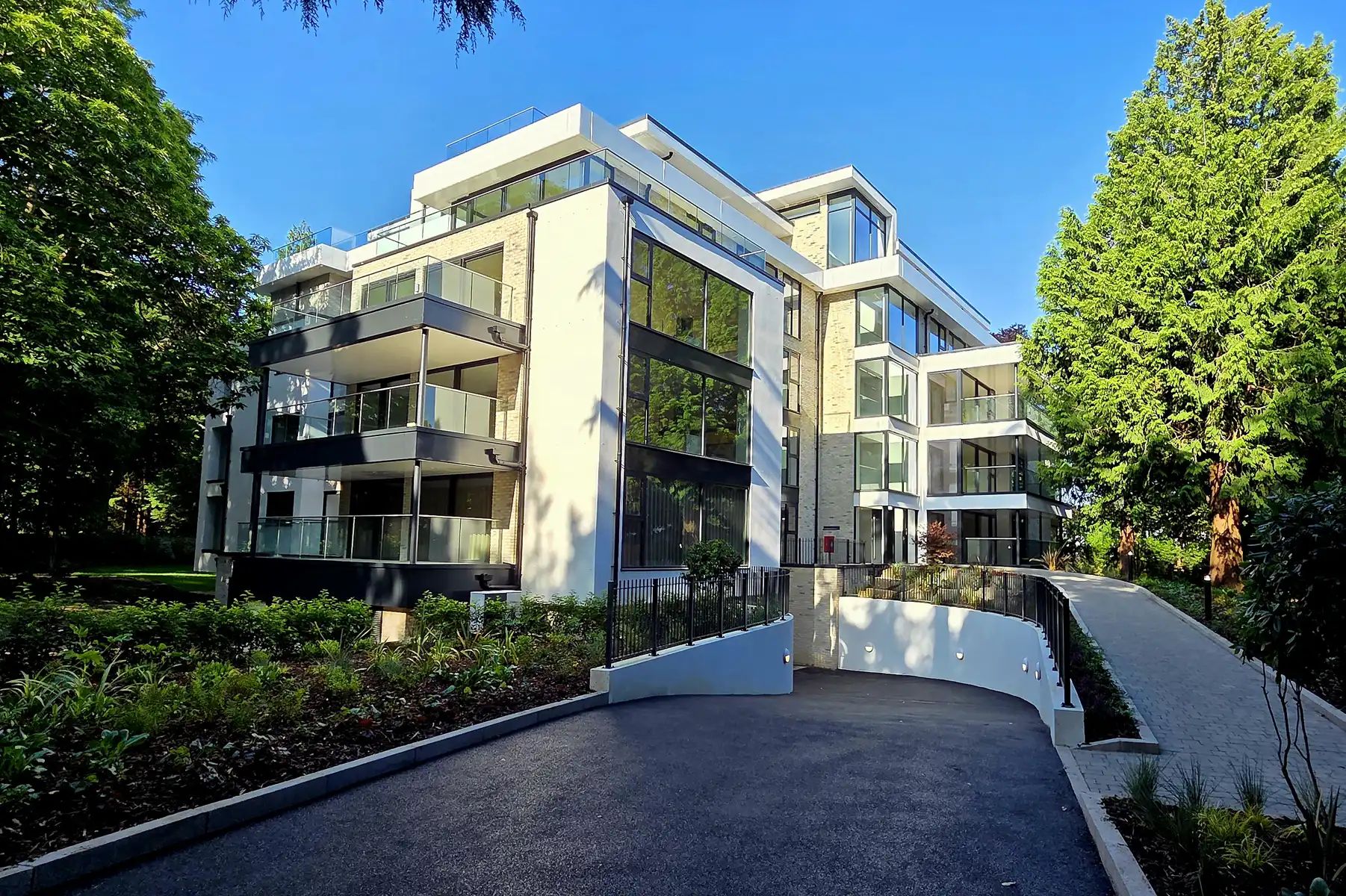
At Wilderton House in Poole, we installed horizontal safety lines on the main roof for maintaining the PV panels and guttering, a further line at fourth-floor level, and a dedicated eyebolt for servicing the air conditioning at third-floor level. Every system was installed, tested and certified, and incorporated within the Bauder guarantee.
Walkways & Rooflights
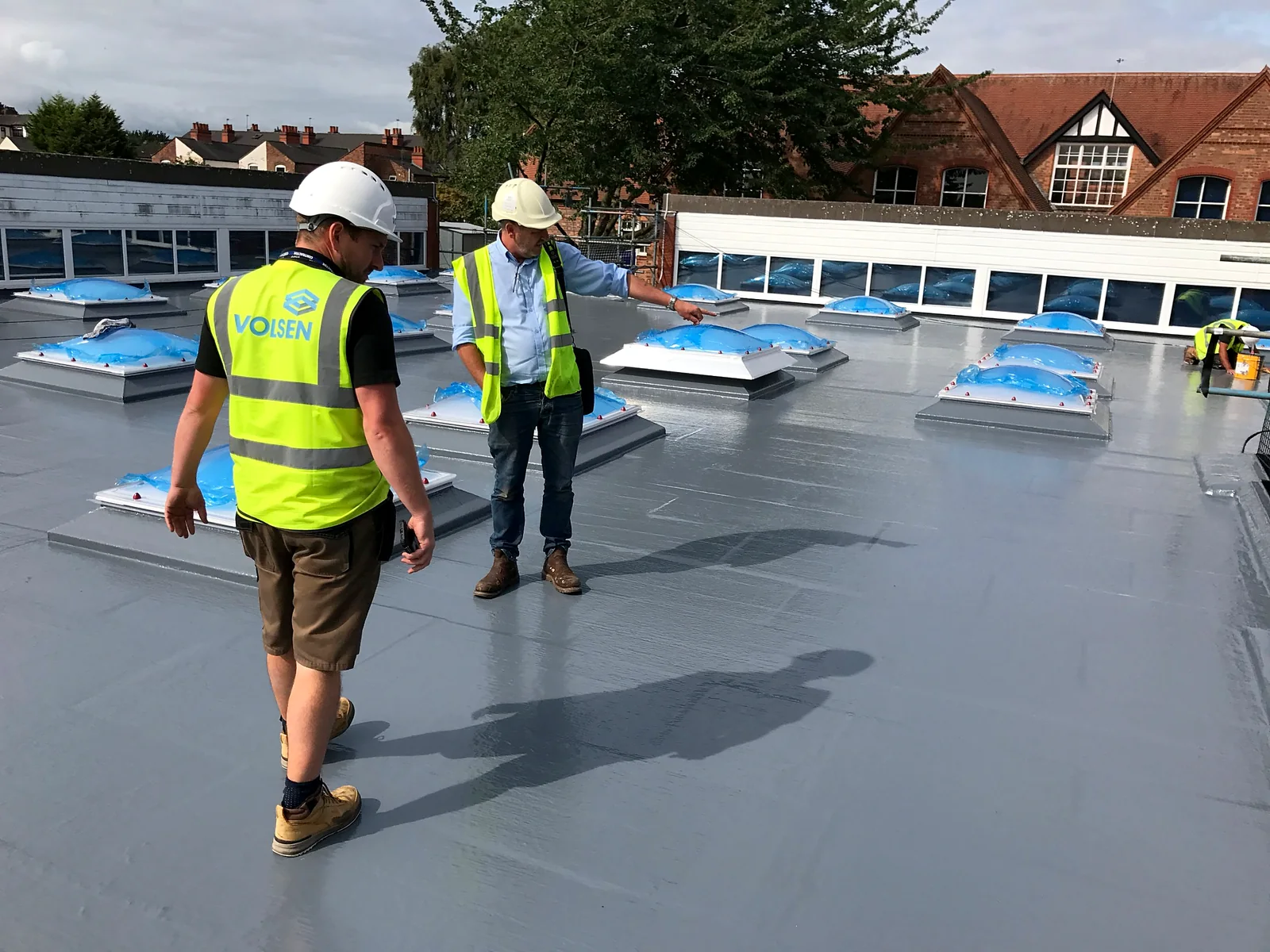
Safe routes across the roof and protection over fragile surfaces.
Roof walkways spread the load, protect the waterproofing from foot traffic and guide people to plant and access points. Rooflights and other fragile surfaces can be protected with mesh or guardrails so they cannot be fallen through.
More Roofing
Frequently Asked Questions
Do I need a roof safety system?
If people need to go onto the roof for maintenance, inspections or plant servicing, the building owner must make sure they can do so safely. The Work at Height Regulations 2005 require work at height to be properly planned, with collective protection such as guardrails preferred over personal equipment.
What is the difference between fall restraint and fall arrest?
Fall restraint stops the user reaching a position where they could fall. Fall arrest stops a fall that has already started. Restraint is preferred wherever it is practical.
How often do safety systems need inspecting?
Anchors and lifelines should be inspected at least once a year, and after any fall, in line with BS 7883 and the manufacturer’s instructions. Guardrails and walkways should be checked as part of regular roof upkeep, which our maintenance service can include.
Will a safety system damage the waterproofing?
No. Freestanding guardrails and many anchor systems sit on the roof without penetrating it, and fixed systems are detailed to the roofing manufacturer’s requirements.
Which areas do you cover?
We work across the South of England, including Dorset, Hampshire, Wiltshire, Sussex and London, from Exeter in the west to Brighton in the east and as far north as Birmingham.
Recent projects